
Reversing Prediabetes Naturally By Keeping Yours Blood Sugar Balance For Healthy Living
Unlock the power to reversing prediabetes naturally Discover effective diet, exercise,lifestyle strategies to regain blood sugar balance without medication. Start your journey today.
11/6/20259 min read


Reclaim Your Health and Reverse Prediabetes Naturally
Picture yourself standing at a crossroads: one path leads toward a chronic condition, lifelong medication, and vigilance; the other promises a return to vitality and ways to sidestep that fate. For millions, this is no hypothetical scenario; it is the reality of a diagnosis of prediabetes. It's a warning, yes, but also a profound opportunity a chance to take control and, quite literally, change your destiny.
Prediabetes affects an astonishing 98 million American adults more than 1 in 3 and a staggering 80% of those people do not realize they have it. These are more than just numbers; these are lives teetering on the cusp of Type 2 Diabetes, which can come with a host of serious complications. But here's the powerful truth: having prediabetes is not a life sentence. It's a warning, and the great news is that with intentional lifestyle adjustments, reversing prediabetes naturally is possible and highly probable. The goal of this guide is not to share quick fixes but to empower you with the knowledge and actionable strategies that will balance your blood sugar, give you energy back, and lay the foundation for lasting health, often without the need for medication.
In A Nutshell What You Find
Prediabetes affects one third of all American adults, and most do not even know it. However, it is reversible by making a few changes to your lifestyle.
Emphasizing whole foods, fiber, and healthy fats is key in dietary changes for blood sugar stabilization.
Regular physical activity, even of moderate intensity, significantly enhances insulin sensitivity and glucose uptake.
Improved stress and sleep quality are seldom discussed but very important aspects of metabolic health.
Understanding Prediabetes The Silent Warning
Let's first understand, What exactly is prediabetes, and why does it matter? Quite simply, Prediabetes means your blood sugar levels are higher than normal, but not yet high enough to be diagnosed as Type 2 Diabetes. It is that critical window during which your body struggles to process glucose effectively.
What Exactly is Prediabetes?
The human body is an elaborate machine, and glucose, a form of sugar, serves as its fuel. When you eat, your body breaks your food down into glucose, which then enters your bloodstream. In response, your pancreas releases insulin, a hormone that acts like a key, unlocking your cells to allow glucose to enter and be used for energy.
In Prediabetes, this system starts to fail. Your cells become less responsive to insulin's call a phenomenon called insulin resistance. As a result of this, the pancreas overworks itself, producing an increasing amount of insulin in an attempt to maintain blood sugar levels within their normal range. Eventually, the pancreas can't keep pace, and glucose starts to build up in your bloodstream. This is the hallmark of prediabetes elevated glucose.
If left untreated, prediabetes can develop into Type 2 Diabetes in just 5 to 10 years, greatly raising your chances for heart disease, stroke, kidney disease, nerve damage, and even blindness. The Centers for Disease Control and Prevention estimate that 15% to 30% of those with prediabetes will develop Type 2 Diabetes within five years without intervention. That is a sobering thought, but it underscores the urgency and the power of this moment.
Numbers Don't Lie Diagnosing Prediabetes
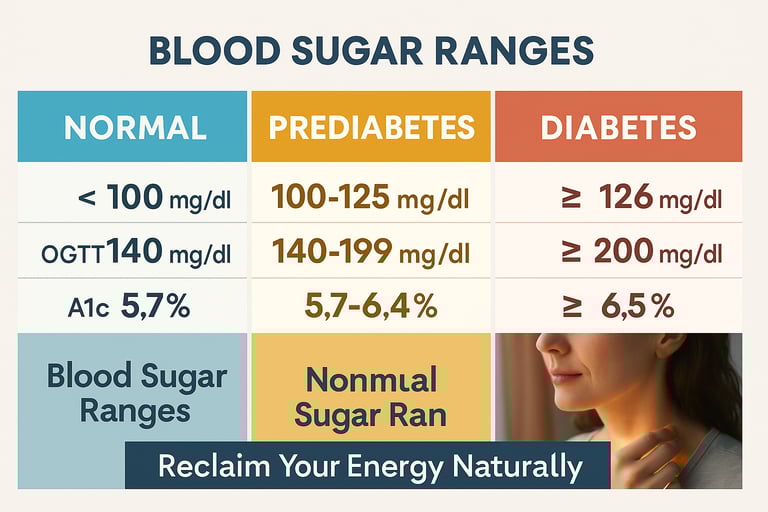
How do doctors spot this silent threat? It's usually by blood tests
FPG Test: A blood sugar level from 100 to 125 mg/dL after an overnight fast indicates you have Prediabetes.
OGTT: This involves fasting, then consuming a sugary solution, and then having your blood sugar measured two hours later. A level between 140 and 199 mg/dL implies Prediabetes.
HbA1c blood test: Measures your average blood glucose levels over a period of two to three months. An A1c level of 5.7 to 6.4 percent indicates Prediabetes.
Understanding these numbers is the first step toward taking charge.
Power on Your Plate Diet as Medicine
Your kitchen is your most potent pharmacy when it comes to turning back Prediabetes naturally. What you choose to eat, or not eat, will profoundly and immediately affect your blood sugar levels and your body's insulin response. This is not about deprivation; it's about strategic nourishment.
Whole Foods and Smart Carbs
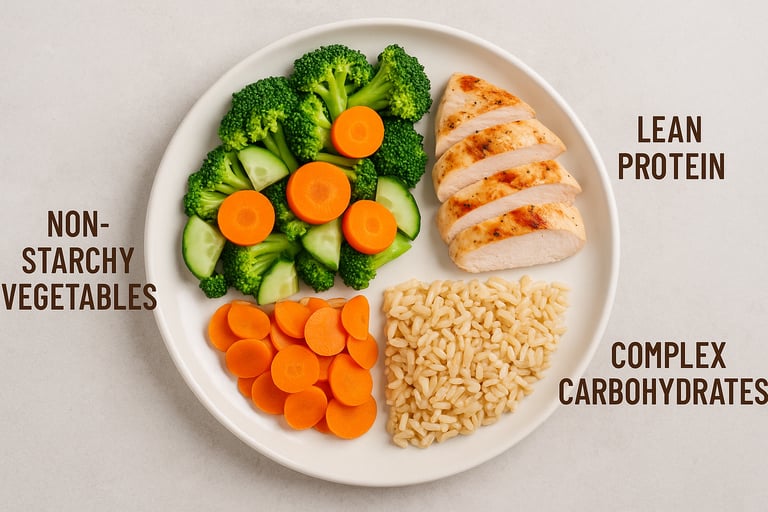
Your plate is an opportunity. The underlying factor in any diet that will reverse Prediabetes involves abandoning processed foods, refined sugars, and unhealthy fats in exchange for whole, unprocessed foods.
Prioritize Complex Carbohydrates: Not all carbs are created equal. Focus on complex carbohydrates found in whole grains, like oats, quinoa, brown rice, and whole wheat bread; legumes, such as beans and lentils; and starchy vegetables, like sweet potatoes. These are rich in dietary fiber, which slows down sugar absorption and prevents sharp spikes in blood glucose. One study published in The Lancet found that a higher intake of dietary fiber was associated with a lower risk of Type 2 Diabetes.
Load Up on Non Starchy Veggies: Broccoli, spinach, kale, bell peppers, and asparagus are great friends. They add low amounts of calories, high levels of fiber and nutrients, and barely raise blood sugar. Fill half your plate at every meal with these colorful veggies.
Choose Lean Proteins: Chicken, fish, tofu, eggs, and lean cuts of beef or pork provide satiety and help stabilize blood sugar. Protein has a minimal effect on blood glucose and can help slow the absorption of carbohydrates when eaten together.
Incorporate Healthy Fats: Avocado, nuts, seeds, and olive oil are rich in nutrients and can help improve insulin sensitivity. They will also provide a feeling of satiety.
The Role of Fiber and Protein
Let's zoom in on fiber and protein, two of the superheroes in the fight against Prediabetes. Fiber, mainly the soluble kind, blends with water in your digestive tract to form a gel like matter that delays the digestion process of carbohydrate foods and their subsequent absorption into the bloodstream. This results in a slower and more gradual rise in blood sugar. Think of this as a natural speed bump for glucose. Protein, besides repairing and building muscle, can help moderate appetite and also slow glucose absorption.
"Many patients are astonished to find that simple diet changes can be as powerful, if not more so, than some medications in the early stages of metabolic dysfunction." - Dr. Sarah Brewer, GP and medical nutritionist.
Hydration and Mindful Eating
You don't want to underestimate the power of water. In fact, water is highly instrumental and critical to overall metabolic function. Water helps your kidneys excrete the buildup in your system through urination. Sugary drinks, however, become a direct attack on your blood sugar levels.
Also, mindful eating is important. Pay attention to your body's signs of hunger and fullness. Eat slowly, savor your food, and do not be distracted by anything. This practice can make you recognize whether you are really satisfied, thus preventing overeating and spiking glucose unnecessarily.
Move For Better Health Exercise for Blood Sugar Control
If diet is the foundation, then exercise can be considered the strong engine that powers metabolism. Exercise is not targeted at losing weight only; it's one of the most effective ways to directly improve your body's response to insulin and lower blood sugar levels.
The Magic of Movement
When you exercise, your muscles use glucose for energy. This process helps clear glucose from your bloodstream, lowering your blood sugar levels. Even better, regular physical activity makes your cells more sensitive to insulin meaning your body needs to produce less insulin to manage the same amount of glucose. This is a direct attack on insulin resistance.
The ADA recommends a minimum of 150 minutes of moderate intensity aerobic activity per week distributed over at least three days, with no more than two consecutive days without exercise. They also recommend strength training exercises two to three times a week.
Aerobic Exercise: Think brisk walking, jogging, cycling, swimming, or dancing. These exercises raise your heart rate and strengthen your cardiovascular system while burning glucose.
Strength Training: This can be done through weight training, resistance bands, or body weight exercises like squats, lunges, and push ups. The more muscles you have, the more places your body will have to store glucose, further helping your blood sugar control.
Your Rhythm Consistency Is The Key
The best exercise program is the one you will follow. You do not have to turn into a marathon runner in one day. Start small. Take a 10-minute walk after each meal. Park further away. Take the stairs. Find activities you genuinely enjoy, whether it's hiking, gardening, or playing with your grandchildren. When you're building a sustainable habit, consistency trumps intensity.
Diet and Exercise Lifestyle's Vital Stand
While diet and exercise are cornerstones in the reversal of Prediabetes, they are not the whole story. Our modern life poses many challenges that, in subtle yet very powerful ways, may undermine our metabolic health. Addressing these factors is crucial for comprehensive blood sugar balance.
The Sleep Blood Sugar Connection
How much restorative sleep are you getting? Most adults require 7-9 hours per night. Chronic sleep deprivation will have a deep impact on your hormones, including insulin. If you're consistently short on sleep, it makes your body less sensitive to insulin, and can also drive up levels of cortisol, a stress hormone that raises blood sugar. Prioritizing sleep is not a luxury; it's a metabolic necessity.
No Stress for Metabolic Harmony
In today's high pressure world, stress is an inevitable part of life. But chronic stress can put effect on your blood sugar. When you're stressed, your body releases hormones like cortisol and adrenaline that are designed to give you a quick burst of energy to handle a perceived threat. They do this by instructing your liver to release stored glucose into your bloodstream. Helpful during a true emergency, constant high levels of stress mean constant high levels of blood sugar.
It can be very helpful for metabolic health to learn how to manage stress through meditation, deep breathing exercises, yoga, spending time outdoors, or enjoying hobbies. It's about finding healthy outlets to discharge that tension before it impacts your biology.
Your Action Plan for Reversing Prediabetes
Ready to take the start? Here's a clear, actionable plan for guiding you in your journey towards stable blood sugar and vibrant health:
Consult Your Doctor: Considering the fact that significant lifestyle modifications are to be done, especially when one has other health conditions, one needs to consult his or her healthcare provider. Discuss your prediabetes diagnosis with your healthcare professional and work out a plan together.
Embrace Whole Foods: Eat an abundance of non starchy vegetables, lean proteins, healthy fats, and high-fiber complex carbs. Processed foods, sugary drinks, and refined grains will be drastically reduced.
Move Your Body Daily: Aim for at least 150 minutes of moderate intensity aerobic exercise per week, plus 2-3 strength training sessions. Find the activities you enjoy so that you keep coming back for more.
Prioritize Quality Sleep: Aim for 7-9 hours of restorative sleep every night. Establish a regular sleep schedule and create an unwinding bedtime routine.
Manage Stress Effectively: Incorporate stress reduction techniques into your daily life. Whether it's mindfulness, exercise, or hobbies, find what works for you to calm your nervous system.
Hydrate: Drink enough water throughout the day and avoid sugary drinks.
Monitor Your Progress: Check your blood sugar levels regularly as your doctor advises, and write down your dietary and exercise habits. This can help you know what's working and keep you motivated.
A Product We Trust
A product named Sugar Mute is an with comprehensive approach usually helps most in the effort of revising Prediabetes naturally. While diet and exercise are foundational, sometimes our bodies just need a little extra help to get functioning at their best. This is where very focused nutritional support can be invaluable, working in harmony with your lifestyle changes to smooth blood sugar responses and curb cravings.
For everyone desiring an active, natural complement to their efforts, we highly recommend checking out Sugar Mute. Sugar Mute is a unique blend of soluble fibers, plant extracts such as black walnut and flaxseed, along with one probiotic strain, all put together for healthy blood sugar responses and sustained energy. It is non habit forming, gentle on the system, manufactured in a GMP certified and FDA registered facility, , making it a trustworthy ally in your health journey.
Final Words For You
A diagnosis of Prediabetes may sound daunting, but it is, in reality, an incredible gift the gift of awareness and the opportunity for change. This is a powerful signal your body gives to reassess your relationship with food, movement, and stress. Natural reversal of Prediabetes is paved by acts of conscious choice, consistent effort, and deep commitment to one's well being.
This is not about perfection; it's about progress. Each healthy meal, every walk taken,the Sugar Mute and every moment of calm you cultivate contributes to a stronger, more resilient you. By embracing these lifestyle interventions, you're not just managing a condition; you're building a healthier future, one in which you are in control, empowered, and thriving. Your body is capable of remarkable healing, and with the right support, you can absolutely step back from the brink of Type 2 Diabetes and reclaim your vitality.
References
Prediabetes: Your Chance to Prevent Type 2 Diabetes. https://www.cdc.gov/diabetes/basics/prediabetes.html
Statistics About Diabetes. https://diabetes.org/about-diabetes/statistics/about-diabetes
Reynolds, A., et al. "Dietary fibre and whole grains in diabetes management: Systematic review and meta-analyses." https://www.thelancet.com/journals/lancet/article/PIIS0140-6736(18)31804-9/fulltext
Physical Activity and Diabetes. https://diabetes.org/healthy-living/fitness/getting-started-safely/physical-activity-and-diabetes
Sleep and Diabetes. https://www.cdc.gov/diabetes/managing/sleep.html
Stress and Diabetes. https://diabetes.org/healthy-living/mental-health/stress
Diabetes Prevention Program (DPP). https://www.niddk.nih.gov/about-niddk/research-areas/diabetes/diabetes


Health and Wellness
Your trusted source for health and fitness.
Connect
contact: beahealth.it@gmail.com
© 2025. All rights reserved.